

In an increasingly interconnected global economy, the importance of effective trade methods cannot be ignored. As businesses expand their reach through borders, the need for strategic logistics approaches has led to the development of Free Trade Warehousing Zones. These zones grant distinctive advantages that improve international trade, facilitate customs procedures, and reduce operational costs. Comprehending the details of Free Trade Warehousing Zones can provide businesses with the competitive edge they require to thrive in today's market.
Free Trade Warehousing Areas serve as essential hubs for import and export activities, permitting companies to hold goods without the immediate burden of customs duties and tariffs. By promoting a streamlined environment for logistics, these zones allow firms to refine their supply chains, enhance market access, and eventually enhance their financial performance. In this article, we will analyze the core features and benefits of Free Trade Warehousing Zones, consider their function in enhancing global trade, and offer practical insights for businesses considering to establish operations in these dynamic environments.
Advantages and Advantages of Free Trade Warehousing Zones
Free Trade Zones offer considerable economic advantages for businesses. One of the key advantages is the decrease of tariffs on incoming goods. Businesses can store goods in these zones duty-free until the items are actually sold or transferred to another destination. https://osvftwz.com/ helps lower costs noticeably, allowing businesses to manage cash flow more efficiently and improve competitiveness in international markets.
Furthermore benefit is the simplified customs procedures associated with Free Trade Zones. Easier regulations often expedite the arrival and departure processes, minimizing delays that can hinder supply chain efficiency. By facilitating quicker movement of goods, these zones allow businesses to react swiftly to market demands and improve overall customer satisfaction.
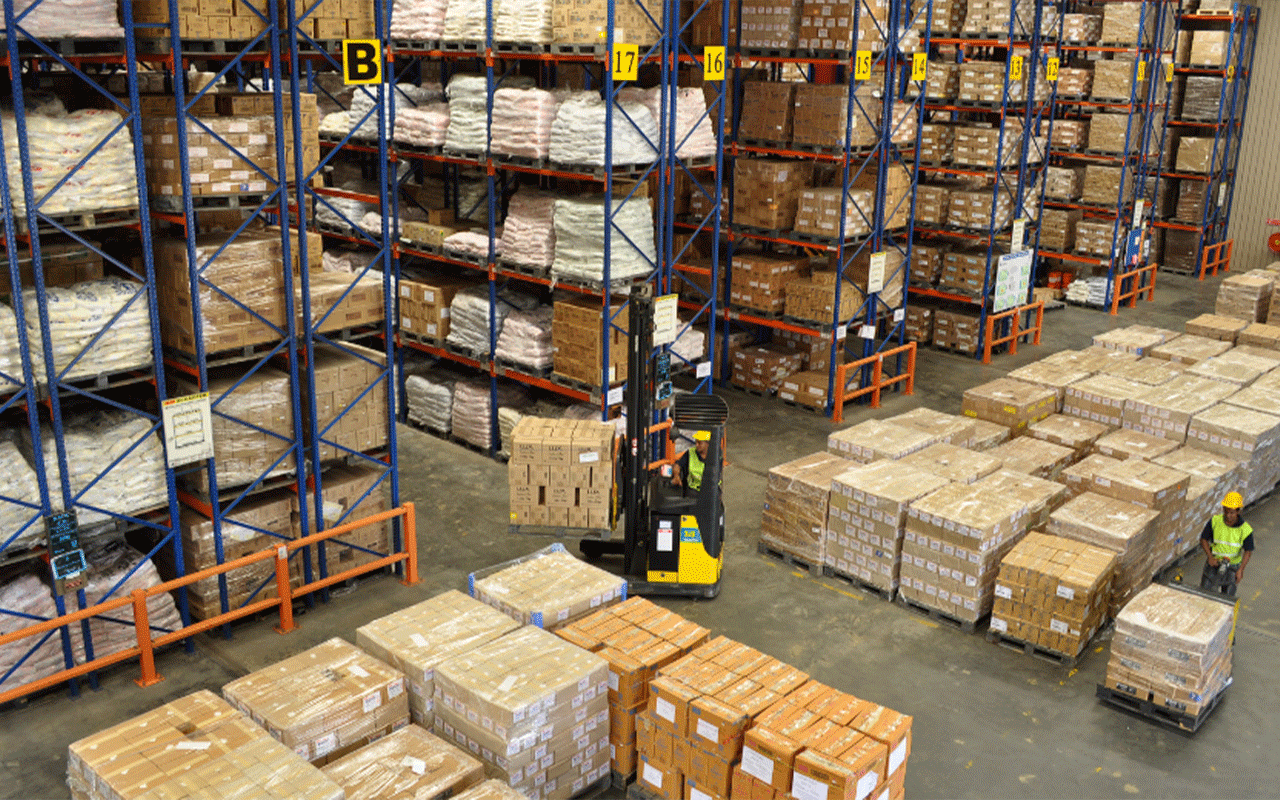
In addition, Free Trade Warehousing Zones provide access to up-to-date infrastructure and supply chain solutions. Businesses benefit from state-of-the-art facilities and services that support efficient warehousing, distribution, and transportation. This strong infrastructure not only helps businesses reduce operational costs but also improves their ability to grow and adapt to evolving market trends in a globalized economy.
Operational Considerations and Compliance
While operating in a FTWZ, businesses should manage various operational factors to enhance their advantages. Key factors consist of the location's transportation abilities, connectivity to significant transportation routes, and the provision of sufficient warehousing facilities. Companies should evaluate how well a specific zone can fulfill their logistical requirements, ensuring smooth movement of goods in and out of the zone. By understanding these operational structures, companies can better adapt their strategies to take advantage of the advantages offered by these zones.
Compliance is crucial in a FTWZ. Each zone has specific regulations that regulate the handling, keeping, and movement of items. Companies must ensure adherence with local laws and international trade treaties to avoid penalties and maintain good status. This requires understanding border procedures, adhering to safety regulations, and meeting reporting obligations. Staying updated about regulatory changes and maintaining strong compliance protocols are crucial for businesses to thrive in these contexts.
Additionally, operational efficiency can be greatly improved by leveraging technology and automated processes in FTWZ. Innovative supply chain solutions, such as stock management software and automated handling solutions, can streamline operations and reduce expenses. Businesses that allocate resources in such technologies are better positioned to enhance their distribution networks, improve turnaround times, and respond to market demands swiftly. By integrating advanced systems and establishing solid compliance measures, businesses can boost their competitive edge in the global arena.
Future Trends in Free Trade Warehousing
As global trade continues to progress, free trade warehousing zones are expected to adopt innovative technologies and automation to enhance their operations. The integration of AI and machine learning can optimize logistics, inventory management, and customs procedures, leading to more rapid turnaround times and increased supply chain efficiency. Companies are progressively looking to streamline their warehousing operations, and these technological advancements will play a key role in maintaining a competitive edge in the international market.
Eco-friendliness is emerging as a paramount factor in the development of free trade warehousing zones. With growing awareness about environmental issues, businesses will seek to implement green practices within these zones. This entails the use of renewable energy sources, enhancing transportation routes to minimize carbon footprints, and embracing green building standards for new warehouses. As consumers become more environmentally conscious, companies that focus on sustainability in their operations may see enhanced brand loyalty and market leverage in worldwide markets.
Additionally, as e-commerce continues to expand, free trade warehousing zones will cater increasingly to online retailers looking to enhance their logistics. The demand for rapid and swift fulfillment centers will drive investment into framework that supports rapid order processing and delivery. This trend will probably lead to an increase in the number of free trade warehousing zones specifically designed for e-commerce businesses, providing them with the necessary tools to excel in a fast-paced, global marketplace.