

Within the current rapidly evolving global economic landscape, companies are continuously looking for creative ways to achieve a competitive edge. One possible solution that is gaining significant traction is the establishment of Free Trade Zones. Such dedicated zones offer a unique blend of logistical efficiency, cost efficiency, and regulatory advantages that can transform the manner businesses handle global trade. For import businesses and exporters, free trade warehousing zones present an opening not only to streamline operations but also to improve market reach and refine supply chain logistics.
As more businesses recognizing the promise of these zones, comprehending the myriad benefits becomes essential. Ranging from tax incentives and reduced operational expenses to improved logistics and compliance with customs regulations, these zones are intended to facilitate smoother international transactions. Whether you manage a modest e-commerce business or a large multinational corporation, leveraging the benefits of a free trade warehousing zone could be the key to realizing new growth possibilities. In this detailed manual, we will explore everything you should understand about free trade zones and how they can elevate your company to new levels.
Benefits of Free Trade Warehousing Zones
FTWZs offer substantial advantages for entities engaged in international trade. One of the primary benefits is the cut in tariffs and levies. When goods are stored in an FTWZ, they can be held without facing tariff costs until they are moved into the national market. This enables businesses to control their liquidity more efficiently, providing the flexibility to invest in other critical areas of operation.
Furthermore important benefit is the improvement of logistics efficiency. These zones are strategically located near key logistics hubs, making it easier for businesses to import and send out goods promptly. This closeness helps reduce transportation costs and speeds up logistics timelines. Additionally, companies can consolidate shipments and optimize their stock control, leading to lower operational expenses and enhanced service levels for customers.
Moreover, these zones encourage a competitive environment by attracting various companies, particularly in sectors such as online retail and industrial processes. The facilities in FTWZs is usually customized for high efficiency, providing cutting-edge warehousing facilities and modern tech. This creates a strong foundation for development and collaboration among businesses, which can lead to fresh alliances and increased market access on a international scale.
Important Features and Regulatory Compliance
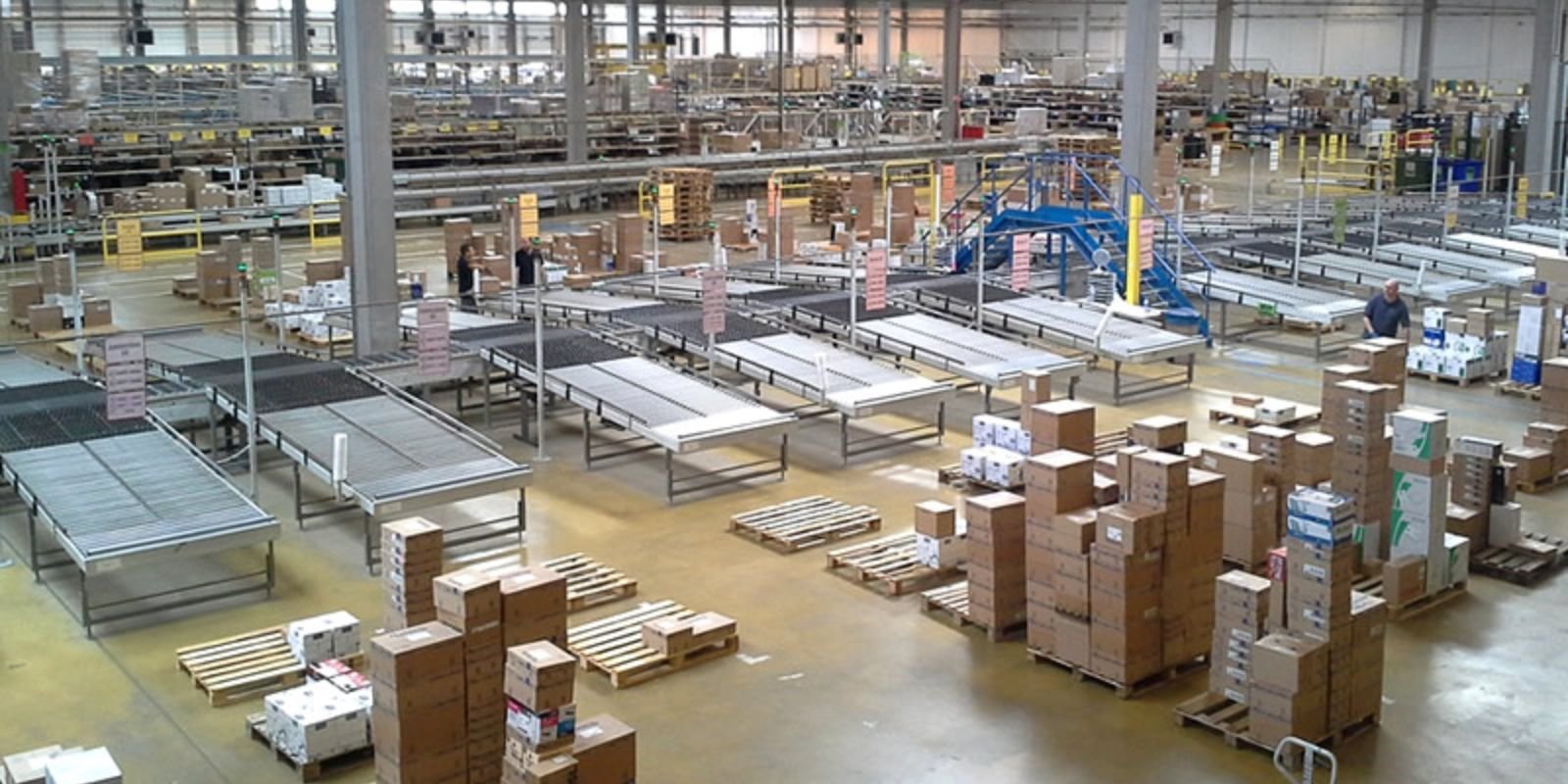
Free Trade Warehousing Zones are designed to enhance the effective storage and handling of products in global commerce. One notable characteristic of these zones is the adaptability they provide in terms of operations. Businesses can store, process goods without incurring ordinary customs duties until the goods enter the domestic market. This versatility not only improves operational efficiency but also allows companies to manage inventory and adapt to shifting market demands with greater agility.
Adherence within a FTWZ is essential for upholding operational integrity. Companies are required to adhere to specific regulations set by both local and foreign authorities, which encompass import/export protocols, storage standards, and protection guidelines. https://md.un-hack-bar.de/s/QrxsZHtrJo need to ensure that they keep accurate records of goods within the zone, report any discrepancies, and comply with safety regulations to avoid penalties and ensure smooth operations.
Moreover, the strategic location of these zones often affords access to comprehensive logistics solutions. Optimized transport links and proximity to major shipping routes facilitate the import and export processes, which is vital for compliance with international trade regulations. This integration not only improves supply chain efficiency but also lowers the time, effort, and costs associated with shipping goods across borders, giving companies a benefit in the world market.
Investment and Operational Strategies
To maximize the advantages of a Free Trade Warehousing Zone, businesses should implement strategic investment approaches. Companies can enhance their competitive edge by investing in advanced supply chain technology and infrastructure. This can consist of automated systems for inventory management, real-time tracking solutions, and streamlined warehousing layouts that enhance efficiency. These expenditures not only streamline operations but also add to overall cost savings, which make businesses more nimble in reacting to market demands.
Operationally, firms should focus on building strong relationships with local authorities and customs officials to facilitate smooth compliance with regulations. Regular training for staff on customs procedures and compliance requirements can also significantly decrease processing times and potential fines. By cultivating a culture of compliance and efficiency, companies can leverage the unique advantages of a Free Trade Warehousing Zone while reducing operational risks.
Additionally, businesses should continuously evaluate their operational strategies in light of the changing dynamics of global trade. Staying updated about market trends and customer preferences can inform decision-making regarding which products to bring in or keep in the warehousing zone. Focusing on https://notes.io/es6kA in operational frameworks will allow companies to adapt quickly to market fluctuations, guaranteeing sustained growth and success in the Free Trade Warehousing Zone setting.