

In an increasingly interconnected global economy, businesses are continuously looking for new ways to enhance their operational efficiency and expand their market reach. ftwz lies in the establishment of Free Trade Warehousing Zones, which merge the advantages of warehousing and international trade to create a special business environment. These zones offer a variety of benefits, from tax incentives to streamlined logistics solutions, which make them a attractive option for importers, exporters, and e-commerce companies alike.
A Free Trade Warehousing Zone functions as a hub for goods, allowing businesses to store, process, and deliver products without the heavy tariffs typically associated with international trade. By grasping the key characteristics and pros of these zones, entrepreneurs can leverage the power of free trade warehousing to enhance their supply chains, cut operational costs, and gain unprecedented access to global markets. This article will delve into the essential aspects of Free Trade Warehousing Zones, providing a detailed guide for businesses considering this important investment.
Benefits of Free Trade Warehousing
Free trade warehousing zones offer multiple advantages to enterprises engaged in cross-border commerce. One of the main benefits is the considerable tax relief possibilities available. https://posteezy.com/advantageousfree-commerce-warehousing-and-your-companys-enterprise can frequently postpone or entirely avoid customs fees on goods brought in stored within these zones. This not only lowers the upfront investment costs but also enables more competitive pricing in overseas markets, improving the opportunity for increased sales and profitability.
Another important benefit is the improved transportation efficiency and operational efficiency that these zones offer. With strategically located warehousing facilities, businesses can streamline their supply chain activities. This means quicker access to goods, reduced lead times, and superior inventory management. The closeness to major logistics routes further boosts distribution capabilities, simplifying for companies to access both domestic and international markets successfully.
Additionally, free trade warehousing zones promote an ecosystem that encourages advancement and investment. Companies functioning in these areas frequently have access to customs support solutions that streamline conformance with international trade rules. This efficient process not only cuts time but also minimizes the administrative burden, enabling businesses to focus on expansion and growth prospects in an progressively cutthroat international market.
Adherence and Regulations
Establishing operations in a Free Trade Warehousing Zone necessitates adherence to particular compliance and frameworks set by federal and regional governments. Businesses must navigate customs regulations that dictate how goods enter, are kept, and possibly depart the warehouse. Accurate documentation is crucial to confirm that all incoming and outgoing goods qualify for the benefits associated with the free trade arrangement, which includes waivers from specific tariffs and duties.
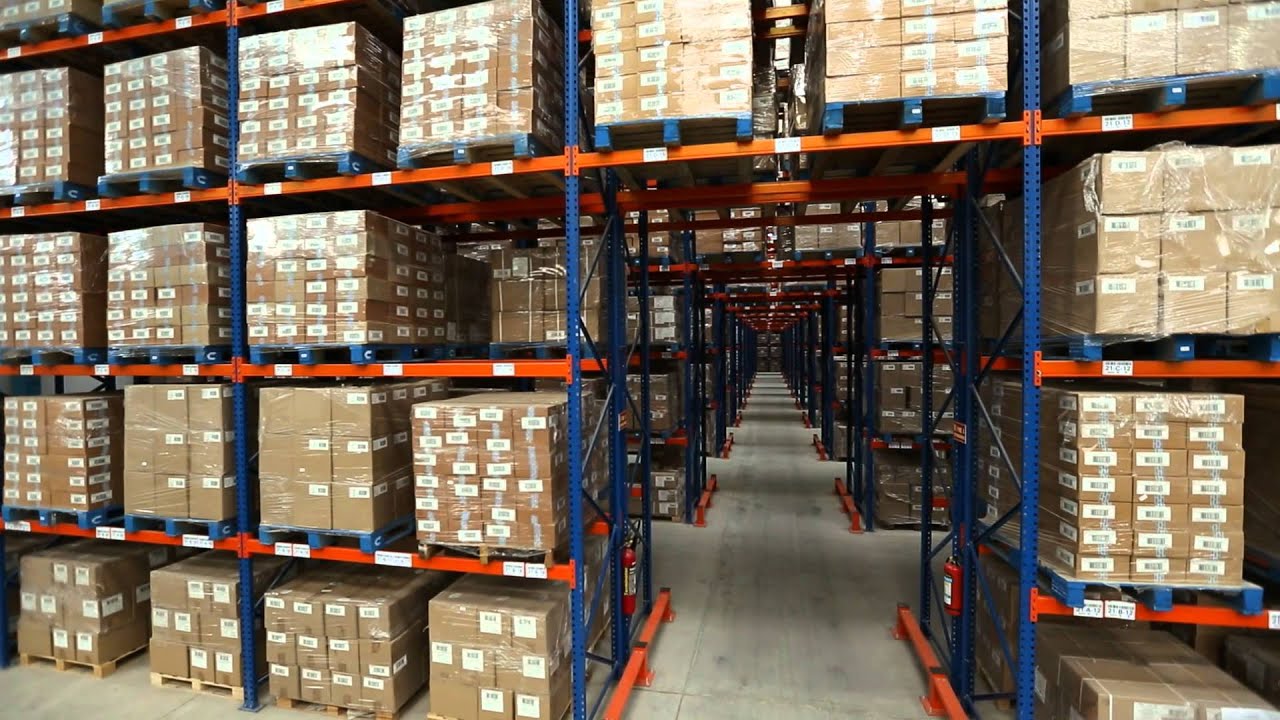
Moreover, companies must adhere to health, safety, and environmental standards to function within these zones. This can entail ensuring that warehouses meet designated construction codes and operational guidelines. Non-compliance with these regulations can lead to penalties or loss of the zone benefits, so it’s vital for businesses to keep updated and flexible in their compliance strategies.
Furthermore, businesses should be cognizant of the reporting requirements imposed by regulatory authorities. Regular audits and reports may be part of the compliance landscape. Keeping meticulous records and being prepared for inspections contributes to smoother operations and reduces risks associated with regulatory non-compliance, allowing companies to concentrate on their core business activities without interruption.
Prospects Possibilities
Free Trade Warehousing Zones present a variety of funding options for both local and international entities. The strategic location and tax incentives offered by these zones make them an desirable option for companies looking to reduce expenses while enhancing their market presence. Investors can benefit from lower taxes, exemptions from VAT, and other financial advantages, which make it simpler to set up and operate businesses in these areas. This conducive environment fosters creativity and promotes the development of different sectors.
Furthermore, the infrastructure available within Free Trade Warehousing Zones is designed to enhance logistical efficiency and supply chain management. With state-of-the-art storage capabilities, transportation networks, and customs support, companies can optimize their operations, thereby boosting efficiency and reducing lead times. This environment is particularly advantageous for online businesses, as they can quickly transport goods to customers while avoiding the complexities of traditional warehousing and distribution channels.
Furthermore, Free Trade Warehousing Zones are ideal for new investors eyeing entry into the global trade landscape. With comprehensive assistance and compliance help, companies can navigate the initial stages of setup and operations with effortlessness. Furthermore, as the global economy continues to evolve, these areas are likely to adapt as well, adjusting to new market demands and challenges, ensuring that investment opportunities remain robust and appealing for years to come.